Car Show

Scout Motors Begins Validation Builds for Traveler SUV and Terra Pickup at New $2 Billion Factory

Scout Motors, a new automotive brand, is making significant strides toward launching its highly anticipated Traveler SUV and Terra pickup truck. The company has begun constructing validation vehicles at its state-of-the-art facility in Blythewood, South Carolina, a critical step in transforming its ambitious plans into reality.

Pioneering the Future: Scout's Path to Production

Advancing Towards Production: Validation Builds Underway

Building an entirely new automotive brand is a challenging endeavor. Yet, Scout Motors is steadily progressing towards bringing its innovative trucks and SUVs to the market. The company has officially initiated the construction of validation vehicles at its sprawling new production plant in Blythewood, South Carolina. This milestone signifies a pivotal shift from factory development to actual vehicle manufacturing, marking a major achievement for the emerging automaker.

Inside the Advanced Manufacturing Facility: Precision and Robotics

Operations are in full swing at Scout's impressive facility, where teams are meticulously assembling early prototypes of the forthcoming Scout Traveler SUV and Terra pickup. These validation units are essential for rigorous equipment testing and for identifying and resolving any potential production challenges before large-scale manufacturing commences. The factory’s Body Shop is designed for high efficiency, aiming to process approximately 40 vehicles per hour at peak capacity. Currently, the focus is on optimizing equipment functionality and streamlining the manufacturing sequence.
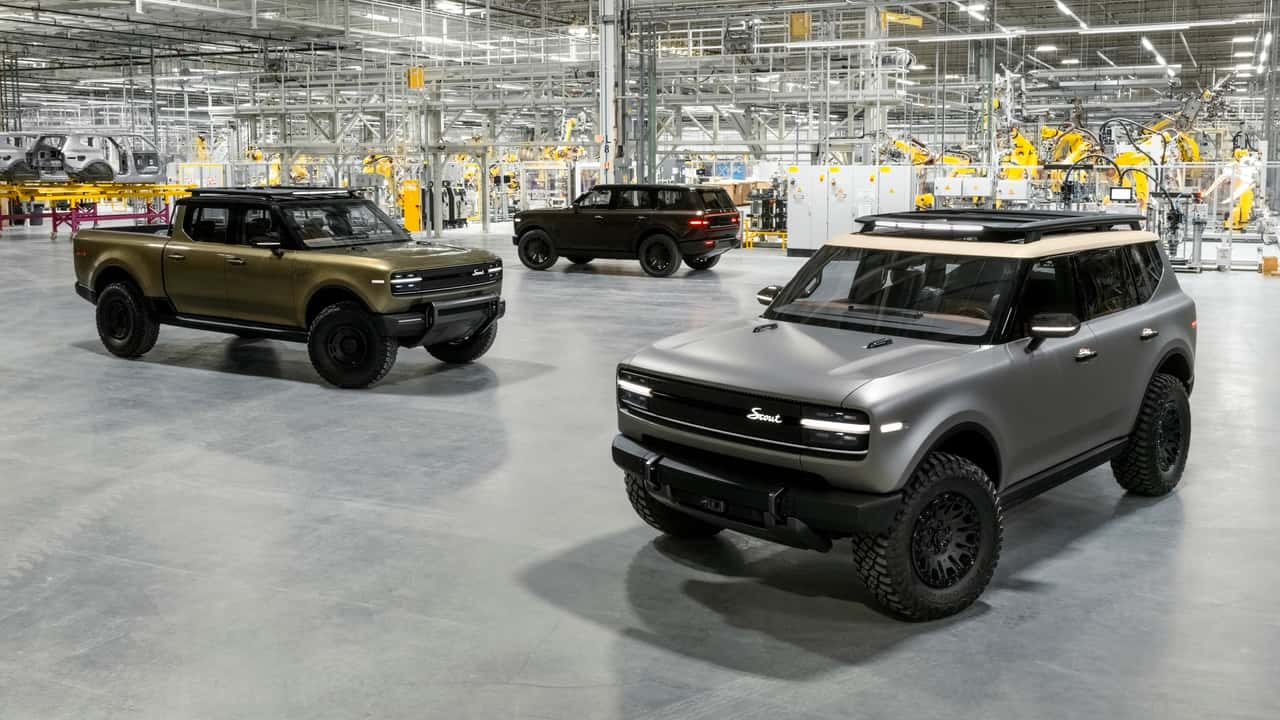
Scout Motors First Validation Prototypes

Commitment to Quality: AI and Advanced Measurement Systems

The construction of the Blythewood plant is now entering its final phase, with the majority of manufacturing equipment already installed and fully operational. According to Scout Motors President and CEO Scott Keogh, what was once a mere blueprint is now a living, breathing operation. The production lines are active, with teams actively assembling the first validation vehicles directly within the factory. The body shop alone integrates roughly 160 distinct components to form each vehicle's structure, supported by over 750 robots that perform approximately 5,000 weld points per body. Scout employs AI-driven weld monitoring and sophisticated measurement systems to ensure superior quality and adherence to engineering specifications. Prototype bodies undergo thousands of precise measurements before advancing to the paint shop.

The Journey from Body to Final Assembly: Comprehensive Manufacturing Steps

Following the welding stage, vehicle bodies proceed through the advanced Paint Shop, where they undergo a series of processes including cleaning, protective coating application, corrosion prevention, painting, drying, and thorough inspection. From there, the bodies move to the Assembly area, where skilled employees install everything from intricate wiring and window systems to comfortable seating, steering wheels, and durable tires. This comprehensive process ensures each vehicle is meticulously constructed to meet high standards.
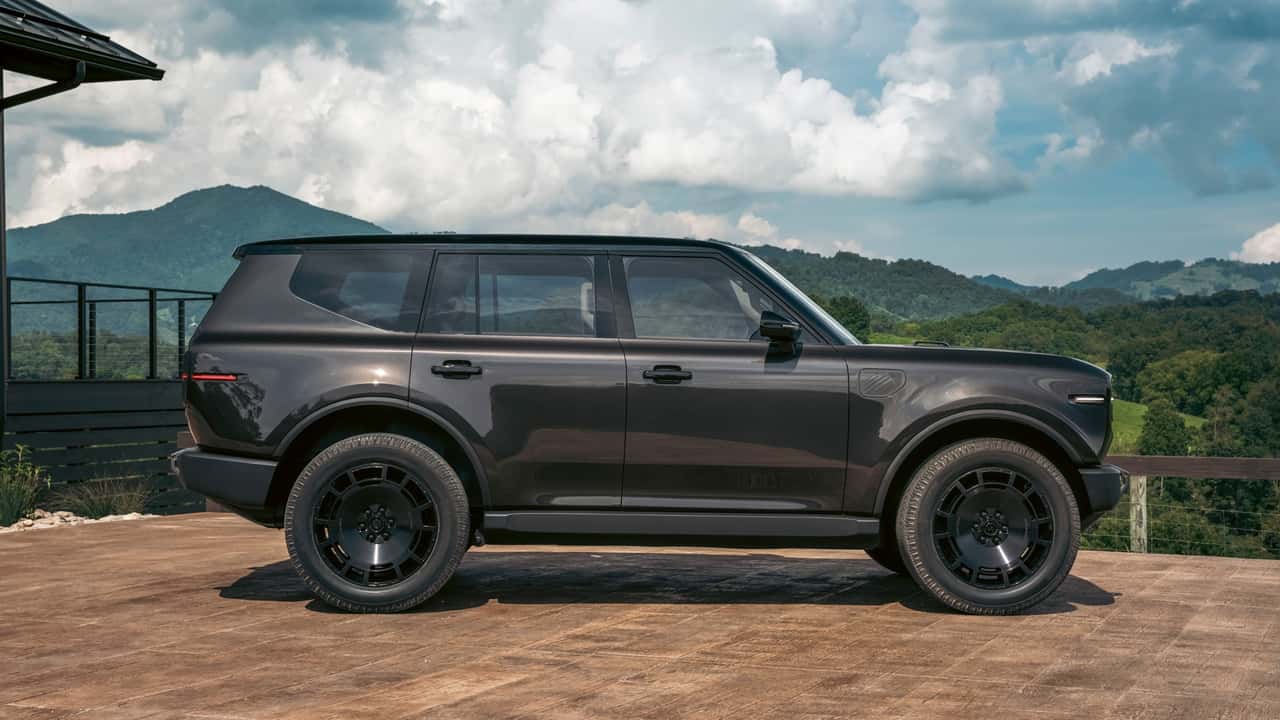
Scout Traveler Mountainside Concept

Significant Economic Impact: A $2 Billion Investment in South Carolina

The Blythewood facility represents a substantial investment for Scout Motors and the broader Volkswagen Group, totaling over $2 billion. This monumental project is projected to generate more than 4,000 employment opportunities. Hiring efforts are currently accelerating as Scout expands its manufacturing workforce, preparing employees to operate the facility's cutting-edge equipment. The automaker is also collaborating with local educational institutions to cultivate a talent pipeline skilled in automotive engineering and manufacturing. Furthermore, Scout announced an additional $300 million investment for an on-site Supplier Park in 2025, which is expected to support approximately 1,000 supplier jobs and attract another $368 million in related supplier investments.

Anticipation Builds: Nearing Full Production for Traveler and Terra

The validation vehicle builds are slated to continue until 2027. Following this phase, Scout plans to transition into pre-production builds, progressively moving towards full manufacturing readiness and achieving optimal production speeds. The Scout Traveler SUV and Terra pickup are spearheading the brand’s highly anticipated resurgence, with the company committed to reintroducing a contemporary interpretation of the iconic American off-road vehicle. While there remains work to be done before these vehicles reach consumers, this current stage marks a profoundly significant advancement towards their market debut.

Honda's Future Unveiled: Element Revival, CR-V Hybrid, and Upscale Accord Lead Dealer Previews

Honda has recently offered its dealer network an exclusive preview of its upcoming vehicle lineup, signaling a bold direction for the brand. This reveal included significant overhauls for popular models and the surprising return of a cult classic. The future of Honda's portfolio appears to be a blend of renewed nostalgia, advanced electrification, and enhanced sophistication across its core segments.

Among the most anticipated announcements were the return of the Honda Element, a complete transformation for the CR-V with an exclusive hybrid powertrain, and a refined, more luxurious Accord. Dealers were also given a glimpse of a more robust Ridgeline pickup and a futuristic design for the Pilot SUV. These previews highlight Honda's strategic vision to reinvigorate its offerings, cater to evolving consumer preferences, and solidify its position in a competitive automotive landscape.

The Reimagined Element and Electrified CR-V Lead Honda's SUV Evolution

Honda's recent dealer meeting unveiled a future marked by significant SUV innovation, headlined by the unexpected revival of the Element and a fully redesigned, hybrid-only CR-V. The Element, last seen in 2011, is poised for a comeback, retaining its distinctive boxy silhouette and signature rear-hinged doors, targeting adventurous urban dwellers and younger buyers. This adventure-oriented hybrid crossover, expected to launch in Q2 2029, aims to inject a unique personality into Honda's SUV lineup, with ambitious production targets of 100,000 units in its first full year. Meanwhile, the seventh-generation CR-V, slated for a summer debut, will adopt a more muscular aesthetic with slim headlights and a full-width taillight design, moving exclusively to hybrid powertrains. Its interior will feature a substantial upgrade, including a large 15.4-inch touchscreen and a redesigned gear selector, aiming for over 400,000 U.S. sales annually, indicating high confidence in its market appeal.

The return of the Element signifies Honda's willingness to tap into its heritage while infusing modern hybrid technology. Positioned between the CR-V and HR-V, this adventure-focused crossover is designed to appeal to a demographic seeking versatility and a distinctive style. Its potential all-wheel-drive option further enhances its appeal to those with active lifestyles. For the CR-V, the shift to an exclusive hybrid offering underscores Honda's commitment to electrification and efficiency. The redesign promises a more assertive road presence, with design cues like tucked-away rear wipers reflecting contemporary automotive trends. Inside, the enhanced technological features and ergonomic improvements aim to provide a premium user experience. This dual approach—reintroducing a beloved model and radically transforming a best-seller—illustrates Honda's comprehensive strategy to dominate the SUV segment with diverse, innovative, and environmentally conscious options, addressing a broad spectrum of consumer needs and preferences.

Refined Ridgeline, Futuristic Pilot, and Upscale Accord: Honda's Diverse Future Lineup

Beyond the groundbreaking SUV announcements, Honda's dealer showcase also spotlighted significant advancements for its pickup and sedan segments, emphasizing rugged capability, futuristic design, and enhanced luxury. The Ridgeline is set to receive a more aggressive and upscale redesign for 2028, featuring an assertive front grille, a roof-mounted light bar, and a unique bed-rail system. This transformation aims to attract entry-level luxury buyers and give the unibody pickup a more adventurous image, drawing comparisons to the Toyota Tacoma. The next-generation Pilot, previewed via video, will adopt a futuristic design characterized by triangular headlights and taillights, signaling a bold new direction for the three-row SUV. Concurrently, the Accord will undergo a substantial mid-cycle refresh in late 2027, moving towards a more futuristic and premium aesthetic with a sweeping hood, sophisticated grille, and slim headlights, positioning it to appeal to entry-level luxury sedan consumers.

The evolution of the Ridgeline indicates Honda's intent to strengthen its presence in the competitive truck market by infusing more rugged appeal and a touch of luxury, without compromising its unibody advantages. This strategic move aims to broaden its market reach beyond its traditional customer base. The Pilot's design overhaul towards a more futuristic look suggests Honda is keen to lead in SUV aesthetics, offering a distinct visual identity that stands out. The undisclosed larger three-row SUV also hints at an expansion of Honda's family-oriented vehicle offerings, providing more spacious alternatives. For the Accord, a model renowned for its reliability and practicality, the planned upscale refresh is a strategic maneuver to elevate its status within the sedan segment. By adopting a more luxurious and cutting-edge design, Honda aims to attract a more discerning clientele, ensuring the Accord remains a formidable contender against premium and mainstream sedans alike. These updates across key segments collectively demonstrate Honda's ambitious plan to diversify its appeal, push design boundaries, and reinforce its commitment to quality and innovation.

See More

2027 NASCAR Ford Mustang Dark Horse Unveiled with Road Car Aesthetics

Ford has officially unveiled its new 2027 NASCAR Cup Series Mustang, marking a significant step towards closer alignment between its high-performance road cars and their racing counterparts. The design of the latest Mustang race car draws heavily from the 795-horsepower Mustang Dark Horse SC, aiming to create a strong visual and conceptual link for fans and consumers. This initiative highlights Ford's philosophy that racing innovation directly benefits street vehicles, and vice versa. The new model, featuring an optimized aerodynamic profile for increased downforce and cooling, was introduced at the Proud to Honor Veterans Day Classic, reinforcing the brand's commitment to both motorsport excellence and community support.

Design Philosophy and Performance Integration

Ford's unveiling of the 2027 NASCAR Cup Series Mustang at Daytona showcased a deliberate effort to bridge the gap between track and road. The core of this transformation lies in adopting the distinctive front fascia of the Mustang Dark Horse SC, a street-legal powerhouse producing 795 horsepower and 660 lb-ft of torque from its supercharged 5.2-liter V8 engine. This move is not merely aesthetic; NASCAR's strict regulations on key performance metrics such as downforce and drag mean that while the Cup car's overall output is governed by race rules, its design elements are strategically borrowed to optimize aerodynamic efficiency and cooling. Mark Rushbrook, global director of Ford Racing, succinctly summarized this synergy, stating, 'Racing makes our road cars better, and our road cars make our race cars better,' underscoring the integrated development approach.

The integration of the road car's design into the NASCAR vehicle goes beyond superficial resemblance. NASCAR's specification-based racing environment typically allows manufacturers limited avenues for differentiation, primarily through front and rear body details. By incorporating the Dark Horse SC's aggressive nose, Ford establishes a more potent and recognizable brand identity on the racetrack, directly reflecting its production vehicle's character. This strategic visual continuity is crucial for fan engagement and brand loyalty. The new body is engineered to enhance the race car's performance through superior aerodynamics and cooling capabilities, a direct translation of the Dark Horse SC's design principles. While specific power and aero figures for the Cup car remain undisclosed due to NASCAR's regulatory framework, the underlying design intent is to maximize efficiency within these constraints, ensuring competitive performance and a distinct Ford presence.

Debut and Charitable Initiatives

The choice to debut the 2027 NASCAR Cup Series Mustang at the Proud to Honor Veterans Day Classic was a significant one, elevating the event beyond a typical media launch. This special occasion served a dual purpose: to introduce the new race car and to highlight a charitable initiative supporting military personnel, veterans, and their families. The event featured 12 Ford Racing drivers competing in Mustang Dark Horse R cars, organized into six two-driver teams, each representing a branch of the U.S. military. This structure provided an exciting motorsport spectacle while simultaneously raising funds and awareness for a noble cause, demonstrating Ford's commitment to social responsibility alongside its racing endeavors. The presence of the production-based Dark Horse R cars at the event further emphasized the shared lineage and performance capabilities across Ford's Mustang variants, from street-legal models to high-performance racing machines.

The Veteran's Day Classic also underscored the broader impact of the Mustang Dark Horse badge across Ford's motorsport programs. Earlier in the year, GT3 cars bearing the Dark Horse moniker recreated a historic 1901 sweepstakes livery, connecting contemporary racing achievements with a rich heritage. The decision to unveil the 2027 NASCAR Cup car at an event with deep community ties, rather than a conventional press conference, resonates with Ford's dedication to honoring service members. This move strategically aligns the brand with patriotic values and philanthropic efforts, enhancing its public image. The new Mustang race car will face its first major challenge at the 69th Daytona 500 on February 21, 2027, where it will contend against other formidable vehicles on the track. This highly anticipated debut will not only test the engineering prowess behind the new design but also serve as a powerful platform for Ford to showcase its innovative spirit and unwavering support for military communities.

See More