Auto

The Definitive Guide to Army Surplus Jeeps

The rugged, olive-drab military Jeep is one of the most recognizable vehicles in the world. If you’ve ever been curious about these iconic machines, you’ve come to the right place. This guide provides a comprehensive overview of classic military surplus Jeeps, covering their history, key design features, and their roles both on the battlefield and in civilian life.

The Birth of an American Icon

The story of the military Jeep begins on the eve of World
War II. The U.S. Army needed a light, nimble, four-wheel-drive reconnaissance
vehicle that could handle punishing terrain. In 1940, they issued a seemingly
impossible request to 135 manufacturers: deliver a working prototype in just 49
days.

Only two companies initially responded in earnest: the
American Bantam Car Company and Willys-Overland. Bantam delivered its prototype
first, but the Army, concerned about Bantam’s production capacity, gave the
blueprints to Willys-Overland and Ford Motor Company to develop their own
versions.

Ultimately, the Willys-Overland model, with its powerful
“Go-Devil” engine, was selected as the standard. However, demand was so immense
that Ford was also contracted to produce the vehicle to the Willys
specification. The Willys version was designated the MB, while the
Ford version was the GPW. Together, over 640,000 of these legendary
vehicles were built during the war, serving in every theater of operation.

Common Characteristics and Key Design Features

A military Jeep was designed for pure function, and every
part of its design reflects this purpose-built philosophy. These
characteristics are what make them so distinct from modern vehicles.

Utilitarian Body and Frame

The core of the classic Jeep is a simple steel “tub” body
mounted on a sturdy ladder frame. There were no creature comforts. There were
no doors, and often no roof aside from a basic canvas top. The fenders were
flat, not just for simple manufacturing, but so soldiers could use them as a
workbench or a seat. The entire design was meant to be durable, easy to repair
in the field, and light enough to be lifted by a few soldiers if it got stuck.

Relatedsearches

The Fold-Down Windshield

One of the most iconic design features is the hinged
windshield. It could be folded down flat onto the hood and secured in place.
This served several purposes. It lowered the vehicle’s profile, making it
harder for enemies to spot. It also allowed for easier transport in crates and
on aircraft. For some field units, it allowed for the mounting of a machine gun
on a pedestal mount for a clear field of fire.

Distinctive Grille and Headlights

The flat, stamped-steel grille is instantly recognizable.
Willys MB models featured a nine-slot grille, while Ford GPW models had a
similar design. After the war, when Willys trademarked the design for its
civilian Jeeps (CJs), they standardized the now-famous seven-slot grille. The
headlights were simple, functional, and could often be pivoted to illuminate
the engine bay for nighttime repairs.

Spartan and Practical Interior

The inside of a military Jeep is a lesson in minimalism.

  • Seating: Thin
        canvas pads over a simple metal frame served as seats. They were designed
        to drain water quickly and be easily replaceable.
  • Dashboard: The
        dash contained only the most essential gauges: a speedometer, oil
        pressure, water temperature, and an ammeter.
  • Controls: The
        controls consisted of a floor-mounted shifter for the 3-speed manual
        transmission, along with two smaller levers. One lever engaged the front
        axle for four-wheel drive, and the other selected high or low range.
  • Grab Handles: Sturdy grab handles were bolted to the body, a necessity
        for passengers trying to stay inside the vehicle on rough terrain.

The “Go-Devil” Powertrain

The heart of the Willys MB and Ford GPW was the L-134
“Go-Devil” engine. This 134-cubic-inch (2.2-liter) inline-four-cylinder engine
was praised for its reliability and torque. While it only produced about 60
horsepower, its gearing allowed it to climb steep grades and pull through thick
mud with surprising capability. It was paired with a T-84 three-speed manual
transmission and a Dana 18 two-speed transfer case.

General Usage: From Battlefield to Farm Field

The military Jeep was a true workhorse, and its usage
reflects its incredible versatility.

Military Applications

During WWII, the Jeep was used for almost everything. Its
primary role was as a reconnaissance and command vehicle, allowing officers to
quickly move around the front lines. It also served as a transport for troops
and supplies, a mobile communications platform, a light ambulance for
evacuating wounded soldiers, and a weapons carrier armed with machine guns or
recoilless rifles. Its small size and off-road prowess made it indispensable.

Post-War Civilian Use

After the war, thousands of Jeeps were sold as military
surplus to the public. They became incredibly popular with farmers, ranchers,
and construction workers who needed a tough, reliable vehicle that could go
anywhere. This widespread adoption led Willys-Overland to create the first
“Civilian Jeep,” the CJ-2A, which was marketed as “The All-Around Farm
Work-Horse.” This marked the beginning of the Jeep brand as a civilian icon,
forever linking it to recreation and off-roading.

Later Military Surplus Models

While the WWII-era MB is the most famous, the military
continued to use and develop Jeeps for decades.

  • M38 (1949-1952): Based on the civilian CJ-3A, this was the primary
        Jeep of the Korean War. It featured key upgrades like a 24-volt waterproof
        electrical system, allowing it to ford deep water without the engine
        stalling.
  • M38A1 (1952-1971): This model introduced the rounder fenders and higher
        hood line needed to accommodate the new, more powerful “Hurricane” F-head
        engine. It was a longer, more comfortable, and more capable vehicle that
        served well into the Vietnam War.
  • M151 “MUTT” (1959-1982): This vehicle, while called a Jeep by many,
        was a completely different design developed by Ford. It featured a unibody
        construction and four-wheel independent suspension. While very capable
        off-road, early models were prone to rollovers. Due to these safety
        concerns and liability issues, most M151s were required to be cut into
        pieces or “demilitarized” when sold as surplus, making a legally owned,
        roadworthy M151 very rare today.

Frequently Asked Questions

Are military surplus Jeeps hard to find? It
depends on the model. WWII-era Willys MB and Ford GPW models are popular
collector’s items, and while many exist, finding one in original condition can
be challenging and expensive. Later models like the M38 and M38A1 are also
available but can be less common.

Can you drive a military surplus Jeep on the road today? Yes,
in most cases. A surplus Jeep can be titled and registered for road use like
any other classic car. However, it will need to meet your state’s minimum
safety requirements, which may mean adding turn signals, seatbelts, or other
modern equipment that the vehicle did not originally have.

What is the difference between a Willys MB and a Ford GPW? They are nearly identical, as Ford built them to the Willys
specification. However, collectors can spot subtle differences. For example,
the front frame cross-member on a GPW is a stamped, inverted “U” shape, while
on an MB it is a round tube. Also, many small parts on a GPW are stamped with a
Ford “F” logo.


Family Adventures Made Easy: Stress-Free Travel with Enterprise Rentals

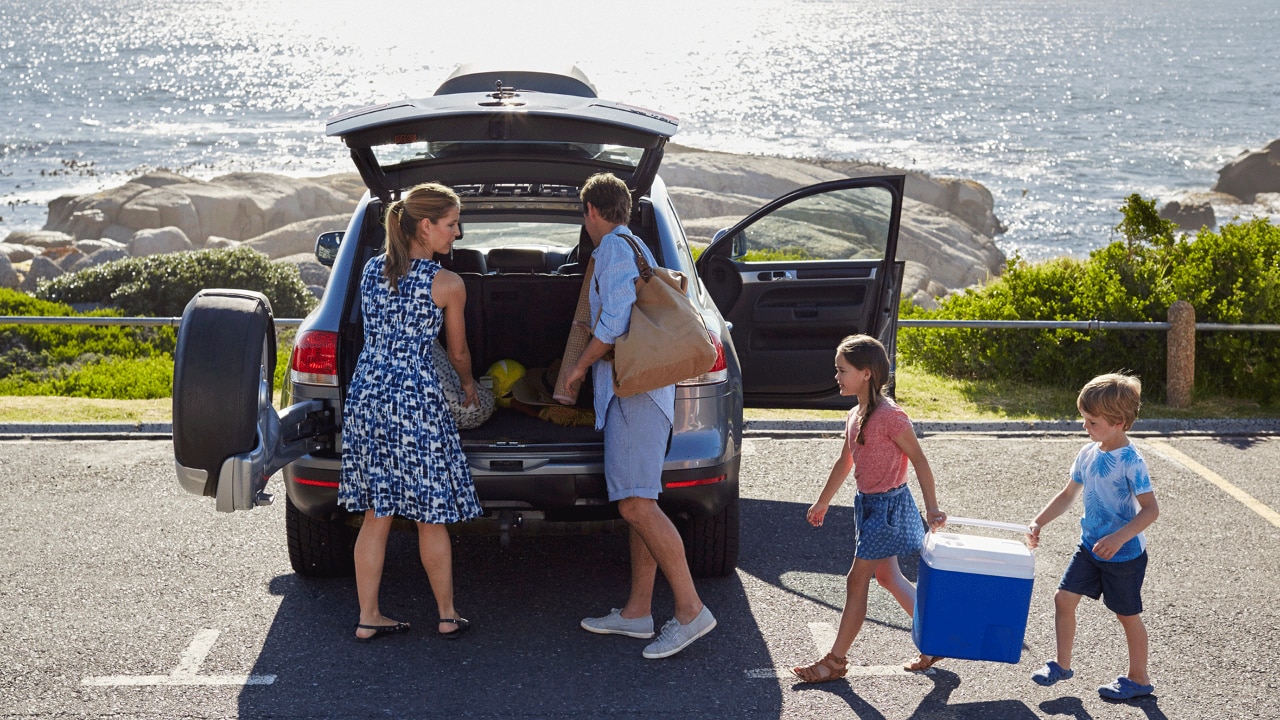
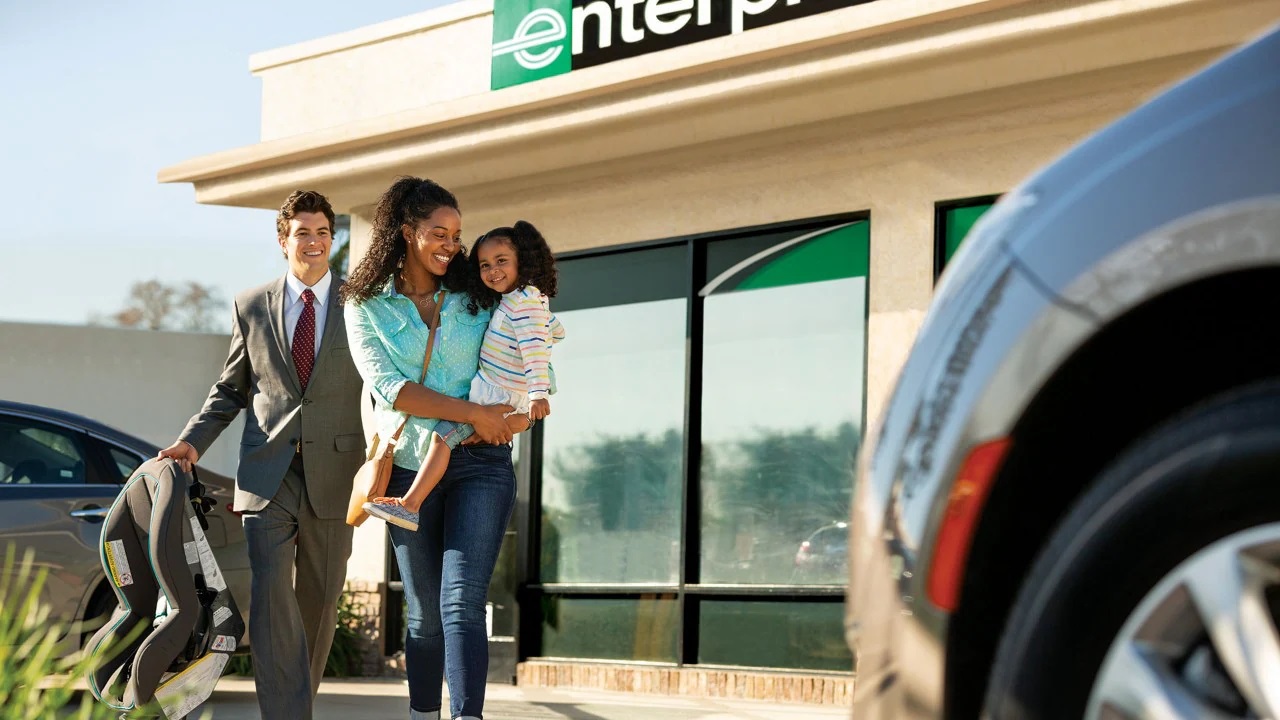
Enterprise Rent‑A‑Car offers a wide selection of vehicles and a huge network of locations, making it a convenient choice for family travel anywhere in the U.S. Their fleet ranges from compact cars to spacious SUVs and minivans — ideal when you need room for kids, luggage, and travel gear. With hundreds of branch offices across neighborhoods and airports, you’re likely to find a pickup location near home or your destination. Known for strong customer service and flexible rental options, Enterprise takes much of the stress out of planning a car‑based vacation. For families aiming to travel comfortably and smoothly, renting a car from Enterprise often means gaining freedom, flexibility, and peace of mind.

//img.enjoy4fun.com/news_icon/d4mgcoh89urc72sq6m80.jpeg

Flexible Rentals Fit Trips of Any Length

Whether you’re heading out for a quick weekend getaway or a longer vacation, Enterprise accommodates short-term and multi-day rentals equally well. Their rental plans often end up more affordable than similar rivals, especially for one‑week or weekend rentals, which makes them a good fit for both short road trips and extended holidays. For a few days on the road, you can get a car with sufficient space without overspending; for longer journeys, there are larger vehicles and options that offer convenience and comfort. This flexibility in rental duration gives families the freedom to plan around school breaks, work schedules, or spontaneous travel. The ability to tailor rental length to your needs helps ensure you’re not paying more than necessary.

//img.enjoy4fun.com/news_icon/d4mgauh89urc72sq4ah0.png

A Vehicle for Every Family — From Compact Cars to Spacious SUVs

One of Enterprise Rent‑A‑Car's major strengths is the diversity of its vehicle fleet: you can rent a fuel-efficient sedan for a small group, a spacious SUV or minivan for a larger family, or even hybrid and environmentally friendly cars if you prefer greener travel. This variety means you can match car size and features to your trip — whether you’re driving through city streets or heading out on a long highway journey. For families carrying luggage, travel gear, or strollers, having enough cargo space can make a big difference. Additionally, many rentals include conveniences like optional child‑safety seats or roomy interiors suitable for kids and elders alike. This adaptability helps make family travel comfortable, practical, and suited to your exact needs.

//img.enjoy4fun.com/news_icon/d4mgbebhpo0s712f3geg.jpg

Rewards, Savings, and Perks for Frequent Travelers

By joining the Enterprise Plus program, you can earn points for every dollar spent on rentals — points that don’t expire as long as you rent or earn within a few years. Over time, those points can translate into free rental days, vehicle upgrades, or other membership perks. This makes Enterprise especially appealing if you travel often, whether for vacations, business trips, or family visits. Even occasional renters may find value in the flexibility and potential savings, especially during off-peak seasons or promotions. For families looking to turn occasional trips into budget‑friendly memories, the loyalty rewards add extra value beyond just convenient transportation.

//img.enjoy4fun.com/news_icon/d4mgb9189urc72sq4mdg.jpg

Peace of Mind and Reliability on the Road

Enterprise offers strong customer service and a broad, well-maintained vehicle fleet, reducing the risk of surprises during your trip. Many rentals come with additional services like 24/7 roadside assistance, which can be a lifesaver on family trips when traveling long distances or unfamiliar routes. If there’s a flat tire, a dead battery, or other unexpected trouble, help is just a phone call away. This reliability and support make renting from Enterprise a safer choice compared with smaller or less established providers. For parents planning a stress‑free journey with kids or elderly relatives, having that kind of backup is a major advantage.

See More

Police Impound Boats: How They Work and What Buyers Should Know

Police impound boats come from seizures, abandoned cases, or unpaid violations. Understanding how they are handled and what buyers should know helps in making informed decisions.

What Are Police Impound Boats?

Police impound boats are vessels taken into custody by law enforcement agencies for reasons such as abandonment, legal violations, or involvement in investigations. Once cleared, many of these boats are made available through auctions or public sales. These boats vary widely—from small fishing boats to larger recreational vessels.

The impound process ensures each boat is documented, secured, and inspected before it is released for auction or sale.

Why Boats Get Impounded

1. Abandonment in Public Waterways

Boats left unattended or without registration may be recovered and placed into impound facilities.

2. Legal or Ownership Issues

If ownership cannot be verified or the boat is involved in a case, it may be held until cleared.

3. Violations or Waterway Safety Rules

Boats used in unsafe or restricted areas may be detained by marine patrol or harbor officers.

Benefits of Exploring Police Impound Boats

1. Wide Variety of Available Boats

Impound lots often hold boats of different sizes, brands, and purposes, giving buyers many choices.

2. Chance to Find Unique or Hard-to-Locate Models

Some impound boats come from marinas or private owners, offering models that may not be easy to find elsewhere.

3. Transparent Inspection Records

Many agencies provide condition reports or basic inspection details, helping buyers understand the vessel’s current state.

4. Suitable for Restoration Projects

People who enjoy marine restoration or upgrading older vessels may find impound boats ideal for hands-on projects.

Relatedsearches

Tips for Anyone Interested in Police Impound Boats

1. Review Available Listings Carefully

Agencies often list boats with basic descriptions, identification numbers, and known conditions.

2. Attend Inspections When Allowed

Seeing the boat in person provides a clearer understanding of its physical condition, fittings, and storage history.

3. Understand Required Documents

Ensure you know what paperwork you will receive and what you must complete after purchase, such as registration steps.

4. Check Storage and Transport Options

Boats may need towing, trailers, or marina arrangements. Plan transport in advance.

5. Choose Boats That Match Your Intended Use

Whether for fishing, recreation, or restoration, pick a vessel that aligns with your skills and future plans.

Is Buying a Police Impound Boat Right for You?

Buying an impound boat can be suitable for people who:

  • Enjoy marine restoration
  • Have experience with boat maintenance
  • Want access to a variety of boat types
  • Prefer exploring different condition levels before choosing
  • Are comfortable reviewing listings and inspection details

It is a practical choice for informed buyers looking for unique opportunities.

Conclusion

Police impound boats offer a wide range of options for marine enthusiasts, restoration hobbyists, and experienced boat owners. By reviewing listings, checking inspections, and understanding documentation, buyers can confidently explore these vessels and find one that suits their needs.

See More